downloadGroupGroupnoun_press release_995423_000000 copyGroupnoun_Feed_96767_000000Group 19noun_pictures_1817522_000000Member company iconResource item iconStore item iconGroup 19Group 19noun_Photo_2085192_000000 Copynoun_presentation_2096081_000000Group 19Group Copy 7noun_webinar_692730_000000Path
Skip to main content
Default Banner Image

talent

As we round the corner on 2021, the microelectronics industry continues to face a severe talent crisis. With more than 34,000 jobs remaining unfilled at SEMI member companies in the United States alone, everyone is competing for the same talent pool. While the semiconductor shortage has received extensive media coverage, a critical talent shortage deserves equal attention. One way to address the talent shortage is to hold the line. Meaning, in addition to recruiting more diverse talent into the chip industry, we must retain the quality workforce we have. I believe that a key component of a diversity, equity and inclusion program must be retention. At Edwards, we feel so strongly about this that we have made retention a key part of our Diversity, Equity and Inclusion program – even changing the acronym to DEIR (pronounced DEER; diversity, equity, inclusion and retention) for emphasis. There are three overarching approaches we can take to promoting diversity-focused retention:Investment in on-boarding practices that allow time to hire appropriately and ensure a diverse pool of qualified candidatesEmbedded programming and policies that are learning and development (L D) based including career planning, succession planning, unconscious bias training, employee resource groups (ERG) and mentoringCorporate culture that respects employees through a healthy work life balance and promotes the well-being of society and the planetThis is a very important conversation. I asked Lubab Sheet-Davis, vice president of Strategy Innovation in the Office of the CTO at Lam Research, and Emerald Greig, executive vice president Americas at SurplusGLOBAL USA, to share their considerable experience and insight related to retention and DEI. Following is an excerpt from our conversation, which has been edited for clarity and brevity.Balaguer: In the context of DEI, why is employee retention so important?Sheet-Davis: In my view, there is a strong correlation between inclusion and retention. If people feel that their voices and perspectives are valued, they are more likely not only to stay, but also to perform at a higher level. Driving both inclusion and retention is having a seat at the table, having your voice heard, respectful treatment and fair opportunity. Retention is a core component of our inclusion and diversity strategy, which involves increasing representation by building a pipeline of diverse candidates, recruiting and retaining, fostering an inclusive culture (which supports retention) and open communication to share our progress.Balaguer: What role does data play in the drive to increase retention?Greig: Ours is a data-driven industry and I am surprised that we have not let the statistics drive us into action sooner. Clearly, diversity, equity, inclusion and retention all affect the bottom line. Millennials and Gen Zs already leave faster than any other generational group. The turnover rate in the tech industry averages around 13% with stays around 2-3 years.The cost to hire, train and integrate someone into a company is far more expensive than having a DEIR program in place to keep them. The Society for Human Resource Management (SHRM) reported that, on average, it costs a company 6 to 9 months of an employee's salary to replace them (which includes the costs of hiring, onboarding and training, L D and time to fill the role). For an employee making $60,000 per year, that comes out to $30,000 to $45,000 in recruiting and training costs.Sheet-Davis: Yes, which gives us all the more reason to move quickly! Given how central DEIR is to innovation, and that the challenges and opportunities facing our industry are bigger now than ever before, I believe we should be addressing DEIR with the same vigor that we address Moore’s Law.I worry if we keep saying DEIR will take time, it will take time. Granted many DEIR issues are cultural and culture is hard to change. However, this industry has demonstrated the capability to drive breakthroughs and to do so quickly. Let’s focus on DEIR with urgency while also ensuring the progress is sustainable.Balaguer: There is no doubt we need to move with a sense of urgency. I think a good way to keep the pedal to the metal is to create a DEIR roadmap that tracks our progress on multiple programs and helps us be accountable and stay focused. Meaningful retention strategies begin with solid diversity-focused hiring strategies.Balaguer: How does corporate culture inform retention?Greig: Let’s not forget: Employees, especially millennials, are looking for a corporate culture that demonstrates social responsibility as well as leadership and career development. In a recent study, 65% of employees said positive corporate culture has encouraged them to stay with their company. In fact, companies with strong cultures have seen a four-fold increase in revenue growth.We have raised a generation that strongly believes in being accepting of others and embraces equity and inclusion in their daily lives. They expect their employer to have this as part of their DNA. They believe in science, climate change, recycling, conservation, and similar sustainability issues and they want to know that they are making or doing something that makes the world a better place. If tech companies cannot convince millennials and Gen Z's that the companies are socially responsible and are doing all they can to embrace DEIR as part of their company culture, then the millennials will go elsewhere. Balaguer: How can employee resource groups be a building block for retention?Sheet-Davis: We support employee resource groups that are voluntary, employee-led and coalesce around demographic factors such as gender, ethnicity, sexual orientation or generation. Each has an executive sponsor, budget, plans and leadership structure. ERGs support inclusion by creating a sense of belonging, building comradery, and providing a safe space to raise awareness and help educate the rest of the company through a number of activities such as community service, holiday celebrations, guest speakers, networking, training courses and more. I serve as the executive sponsor of our Women@Fremont group, which is focused on accelerating the advancement of women in their early to mid-career at Lam’s headquarters. I know ERG members genuinely value the company’s support.Balaguer: What can we do during the hiring process to lay a strong foundation for employee retention?Greig: I believe that the work we do at the front end in terms of hiring practices are one of the main reasons we have a low turnover rate at SurplusGLOBAL. We have a policy to have three interviews for each candidate. Not three different people, but bring them in three times. Additionally, we have a 90-day trial and review period to make sure there is a good fit for both parties. Investing time up front ensures the right hire and the small size of our company allows us to know our employees. We can be nimble and quickly respond to employee needs as they arise.Balaguer: In what ways do you think mentoring can help improve retention?Sheet-Davis: Another aspect of building a more inclusive culture, and hence promoting retention, is through mentoring programs. Mentorship supports an employee’s development, growth and career planning. It’s a great way to get to know people, understand their ambitions and support their development. Hopefully, it results in sponsorship because that is what helps drive career advancement. Ultimately, I want to advocate for those that I mentor.Balaguer: At Edwards, we are refreshing mentoring as part of our DEIR program. I see mentoring as a program that can support employee retention in multiple ways including career planning, professional development, succession planning and promoting inclusivity. Encouraging and empowering personal development is key in growing a productive workforce and mentoring does all these things. Often overlooked is the fact that mentoring is a benefit to both the mentor and the mentee. I have personally mentored several young professionals at Edwards, and I can attest that I have learned as much from them as they have from me. Mentoring is definitely a two-way street.Balaguer: What’s your message to our readers about retention as an element of diversity, equity and inclusion?Greig: I am excited to see DEIR and especially, retention, gaining traction. The semiconductor industry has always tended to have a cyclical rhythm to it. A generation of potential employees have grown up witnessing the fallout from periodic down cycles and the inevitable reductions in workforce. I think there is an element of rebranding we need to do in this area to support our retention efforts. Sheet-Davis: If we only focus on recruiting and not retention, we tread water. Consistent with any other successful business strategy, a holistic integrated approach to DEIR that is prioritized, resourced and sustained over time is key. Balaguer: We all agree that retention is a key component in the war for talent. While this conversation has been more wide-ranging than we can share with our readers, the prime takeaways have focused on these elements: Follow the data. Execute with a sense of urgency. Hire right. Work hard on inclusionary programming such as ERGs, mentoring and sponsorship. Build a genuine corporate social responsibility program. Retention will result.Many thanks to Lubab Sheet-Davis and Emerald Greig. As always, comments, questions and suggestions are welcome. We can be reached at [email protected], [email protected] and [email protected]. I invite our readers to join the conversation, as well as review the recently released SEMI Foundation DEI Roadmap and Toolkit.Scott Balaguer is Vice President and General Manager, Semiconductor Division at Edwards Vacuum LLC and Chairman of the SEMI North America Advisory Board.

Read More
The state of Penang, nestled along the northwest coast of Peninsular Malaysia, needs no introduction in the global electronics manufacturing sector. Despite its diminutive stature with just over 1,000 square kilometers of land area and a 1.8 million-strong population, Penang commanded an estimated 5% of global semiconductor exports in 2019, according to data compiled from the Department of Statistics Malaysia (DOSM) and UN Comtrade. The State’s transformation, from a traditional seaport economy into the Silicon Valley of the East, began in the 1970s, when the establishment of Malaysia’s first free trade zone in the State drew key investments from eight Multinational Corporations (MNCs). These pioneering investors – Intel Corporation, Hewlett Packard (now Keysight Technologies and Agilent Technologies), Robert Bosch, AMD, Litronix (now Osram Opto Semiconductors), Hitachi (now Renesas), Clarion and National Semiconductor[1] – sparked the development of a robust ecosystem of ancillary industries, which formed a foundation for the State’s rise as a prominent, offsite manufacturing hub. Today, Penang houses more than 350 MNCs that are supported by over 3,000 manufacturing-related SMEs. As Penang flourished as a vibrant, regional E E manufacturing hub, the local talent pool steadily accumulated a wealth of business intelligence and technical experience, enabling the robust supply chain to evolve in tandem with technology megatrends. This, in turn, enabled the State to focus on pursuing investments that have propelled the industry up the value chain, away from its beginnings as a low-cost manufacturing hub. Consequently, Penang has seen a proliferation of upstream technology-related investments in high value-added functions in recent years, ranging from research and development (R D), design and knowledge-based solutions, and downstream advanced manufacturing and testing to global business service (GBS) and Centre of Excellence (CoE) activities. Penang’s growing significance in the global E E value chain is demonstrated by its steady and resilient export performance in recent years. From 2014 to 2019, the State’s E E exports grew at a compounded annual rate (CAGR) of 12% to reach RM210 billion (US$51 billion). It has emerged as a hub for professional, scientific and controlling instruments (including medical technology), with exports of these products growing at a 5-year CAGR of 15% to reach RM23 billion (US$6 billion) in 2019. E E products, alongside professional, scientific and controlling instruments, collectively contributed between 77% and 82% of Penang’s total annual exports since 2014, and accounted for 50% of Malaysia’s exports in these two segments during the period. More impressively, despite the disruptions from the COVID-19 pandemic, Penang’s total exports continued to rise in 2020, growing 7% year-on-year to RM310 billion (US$75 billion), and a further 14% year-on-year in January and February 2021, driven by strong global demand for semiconductors. Shaping up as the destination of choice for advanced manufacturing investments As part of efforts to move Penang’s industry up the value chain, the State government has placed emphasis on attracting companies with strong commitments in implementing Industry 4.0 and sustainable investing. These efforts have yielded positive results, with the state having gained traction as a hub for advanced manufacturing investments. This is evidenced by the rising trend in investments per new job creation, which saw a six-fold jump from 2012 to 2020, as well as the number of global heavyweights announcing new investments as well as expansions of existing facilities in the State in 2019 and 2020. Penang attracted RM31 billion (US$7.5 billion) in approved direct manufacturing investment inflows in 2019 and 2020, 88% of which involved investments into the E E, equipment and medical technology industries. Prominent new investments included those from Lam Research, Bosch Group, Ultra Clean Holdings, Dexcom as well as Smith+Nephew. Together with planned expansions by a number of existing MNCs in Penang, these new investments, which are on track to commence operations between 2021 and 2023, are poised to bring Penang’s industry to greater heights and further integrate the State into the global value chain. Recent Notable Direct Manufacturing Investments in Penang Source: InvestPenang and respective companies Penang’s conducive business environment nurtures successful homegrown technology companies Penang’s conducive business environment has not only proven successful in attracting foreign direct investments (FDIs), but also successfully nurtured local E E success stories of locally employed engineers turned technopreneurs, who have founded and built companies that have successfully grown to become internationally renowned in their own right. These homegrown E E companies play crucial roles in the ecosystem, particularly in the areas of automated test equipment (ATE), automation, outsourced semiconductor assembly and testing (OSAT) services, electronics manufacturing services (EMS), precision engineering and tooling. The past five years have also seen the emergence of young, fast-growing Penang-based companies such as Experior, Oppstar Technology and Skyechip, which provide IC design and IC test design services to MNC clients globally. Public-private partnerships cultivate Penang’s talent development roadmap The state is cognisant that the development of a robust and skilled talent pool is imperative to support the growth of strategic industries in Penang. Strong public-private partnerships with concerted efforts in supporting talent development are key to Penang’s continued success. Toward this end, the State government has backed Penang Skills Development Centre’s (PSDC) industry-led training and education efforts, which have helped train over 200,000 of workers to support the industry’s needs since 1989. The State has also coordinated collaboration for industries to provide input to local institutions of higher learning on the relevance of the institutions’ courses, and rallied the industry to support State-run scholarships (Penang Future Foundation) and STEM initiatives. Holistic initiatives to make Penang a world-class investment destination for global frontier companies The dynamics of the global value chain, especially for the technology sector, have evolved rapidly since 2018, particularly amid the complex confluence of trade protectionism, COVID-19 pandemic-driven issues and disruptive technologies. The State government believes that strong, geographically localised industry clusters could help companies mitigate the risks of supply chain disruptions, in addition to improving companies’ time-to-market at a lower cost. To further increase Penang’s attractiveness for high quality investments, the State is focusing on three key strategies: Extending its competitive edge in advanced manufacturing, further strengthening Penang’s industry clusters, which include expediting SMEs’ Industry 4.0 transformation journey, and nurturing more homegrown companies to penetrate the global supply chain Embarking on a continuous drive to develop and recruit talent to the State, as well as cultivate the younger generation’s interest in STEM Enhancing Penang’s liveability with a strong focus on making Penang a smart and green city The State government is committed to continue developing Penang in a holistic manner, with the aim of creating a vibrant business and investment destination with a robust and sustainable economy and high standard of living, creating a conducive environment to “work, live, learn, play and invest.” About InvestPenang InvestPenang is the Penang State Government’s principal agency for promotion of investment. Its objectives are to develop and sustain Penang’s economy by enhancing and continuously supporting business activities in the State through foreign and local investments, including spawning viable new growth centres. To realize its objectives, InvestPenang also runs initiatives like the SMART Penang Centre (providing assistance to SMEs), Penang CAT Centre (for talent attraction and retention) and i4.0 seed fund (a catalyst for the start-up ecosystem). For more information, contact [email protected]. InvestPenang also works closely with various industry associations, including SEMI, to promote Penang’s supply chain and E E ecosystem. InvestPenang is delighted to have collaborated with SEMI on numerous occasions since 2015 and endeavours to sustain the partnership in the years to come, including for the SEMICON SEA 2022 exposition to be held in Penang. [1] No longer present in Penang following a corporate M A exercise.
Read More
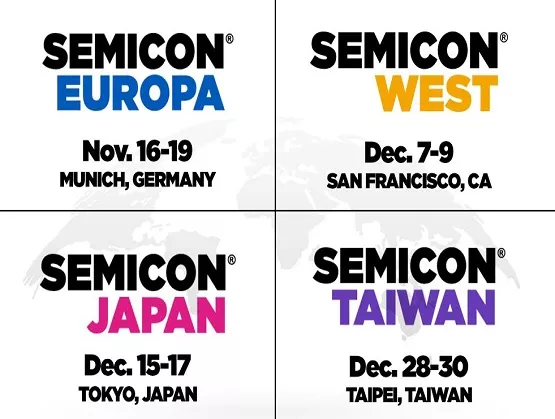
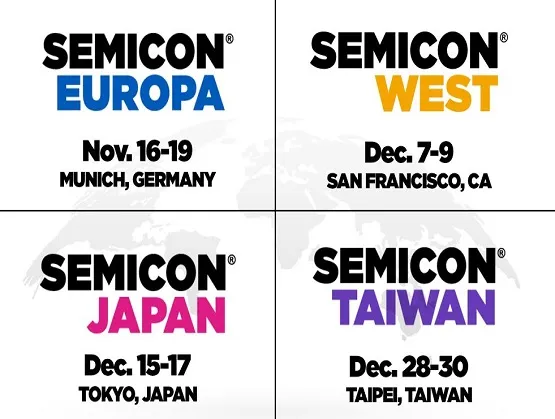
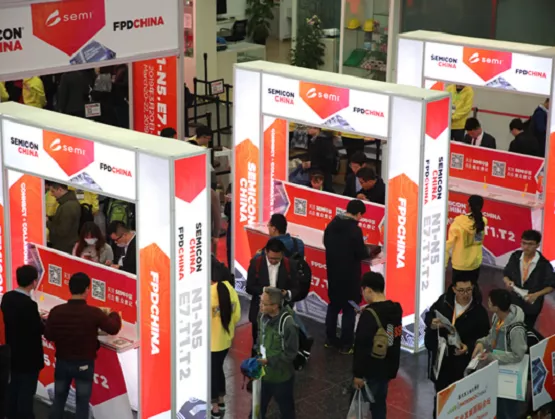
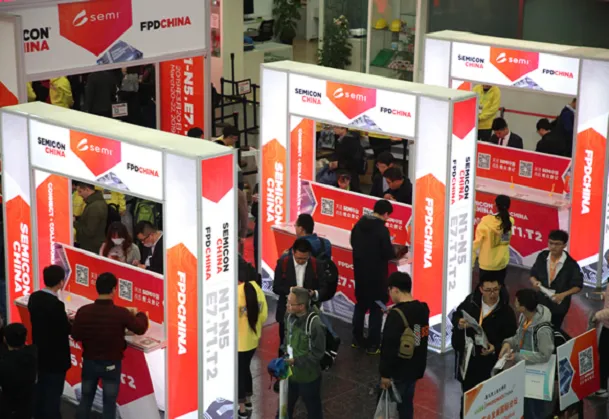
For the second straight year, SEMICON China, among the world’s largest and most influential semiconductor industry events, was the first local tradeshow of its scale held in-person, reflecting China’s rising prominence in the semiconductor industry. After securing approval from the Chinese government to hold large events, SEMI staged SEMICON China 2020 and 2021 with advanced protections against COVID-19 in place. There were no reported infections at either event. Highlights from SEMICON China 2021: Large Scale: Attendance of over 92,000, including more than 66,000 visitors and 25,000 exhibitors. Expo hall totaled 84,500 square meters with about 1,100 exhibiting companies and over 4,000 booths. World-Class Thought Leaders: Strong industry support from key foundries, OSATs, equipment and materials suppliers. Keynote speeches featured world-class industry leaders and head of China’s IC industry fund and global investment consulting agency, who explored the latest global business, technology and market trends and hot domestic investment topics. Concurrent Forums: Forums included SIIP China: SEMI Innovation Investment; Smart Manufacturing; Advanced Manufacturing; Advanced Packaging; Memory; Power Compound Semiconductor; China Display Conference; the all-new Advanced Materials Forum; and China Semiconductor Technology International Conference (CSTIC). Rich Digital Content: SEMICON China’s digital platform provided a rich array of content to attendees around the world including the Grand Opening Keynote and CSTIC, which were broadcast live online. Workforce Development: SEMI China worked closely with industry and government partners to promote SEMI Workforce Development programs to help attract and retain talent for China’s semiconductor industry. SEMICON China again featured the SEMI Workforce Pavilion and SEMI Workforce CXO Talent Forum. Outstanding COVID-19 Protective Measures: SEMICON China deployed advanced testing and monitoring equipment and implemented strict COVID-19 preventative measures to ensure a safe environment for all attendees to network and conduct business. Looking Ahead With the resounding success of SEMICON China 2021, optimism is growing that more physical events will be held with travel restrictions set to ease later this year. The more than 2,500 SEMI members around the world are eager to again network and collaborate face-to-face with customers, suppliers and partners to solve challenges in the microelectronics industry and drive semiconductor innovation that continues to transform how we work and live. That very innovation made many businesses more resilient as the virus spread and enabled people worldwide to work, learn, and shop from home. As SEMI starts to stage other events in-person, we will put in place advanced protective measures against COVID-19 to ensure the safety and well-being of all attendees. As the vaccination roll-out continues worldwide and new COVID-19 strains emerge, SEMI’s flagship SEMICON events are evolving in several ways, most notably with a larger digital presence. In this new era, we offer an international platform for SEMI members and partners across the microelectronics supply chain to collaborate, discuss industry trends, solve common challenges, network, and accelerate business growth through physical, virtual, and hybrid formats. Hybrid events – on-site exhibitions and conferences featuring a digital presence – allow the face-to-face connections so important to the semiconductor industry but also improve the attendee experience by offering an online option with the following benefits: More international accessibility to content live or on-demand Robust interactivity with live-streamed events, allowing more people to participate Greater cost effectiveness to enable companies and people under tight budgets to take advantage of world-class content, including keynote presentations, panel discussions, and technical sessions. In a recent survey of advanced manufacturing businesses, Informa Markets, a multinational publishing, business intelligence, and exhibitions group, found that 93% of respondents are likely to return to in-person events between August and December 2021, signaling a widespread eagerness for the return of live events and face-to-face connections. SEMICONs Scheduled for 2021 In a normal year, each of the seven regions where SEMI operates stages a SEMICON, with the exhibitions spread throughout the year. With the world continuing to combat COVID-19, more SEMICONs have been moved to the second half of 2021 – most of them with a hybrid format so exhibitors and attendees can take advantage of the increasing popularity of online events. After last year’s disruptions to the SEMICON schedule – and with more experience in the new normal – SEMI is excited to welcome the businesses and peers who couldn’t attend the 2020 events back to the in-person and hybrid shows. Innovation never sleeps. And SEMI will continue to evolve its events to help you form the partnerships and make the connections vital to the growth of your company and the industry. For more information about regional SEMICONs, please visit the SEMI events page. About the Author David Ghodsizadeh is the Director of Global Product Marketing at SEMI, where he develops customer-centric strategies to market SEMI Membership, Market Data, Expositions, Smart Initiatives, and Technology Communities to members, partners, and industry peers. Connect with David on LinkedIn.
Read More