downloadGroupGroupnoun_press release_995423_000000 copyGroupnoun_Feed_96767_000000Group 19noun_pictures_1817522_000000Member company iconResource item iconStore item iconGroup 19Group 19noun_Photo_2085192_000000 Copynoun_presentation_2096081_000000Group 19Group Copy 7noun_webinar_692730_000000Path
Skip to main content
Default Banner Image

SEMI News

On Monday, SEMI led a statement from a coalition of industry groups calling on governments worldwide to harmonize their policies to safely allow essential international travel by essential workers. Cross-border mobility in the semiconductor and microelectronics industry is vital to maintaining manufacturing critical to the production of semiconductor devices that are the foundation of our modern economy, countless economic sectors and each nation’s response to the COVID-19 pandemic. Uniform cross-border travel rules impacting essential businesses in the electronics supply chain are crucial for semiconductor business infrastructure and supply chains to maintain effective operations.To that end, SEMI is urging governments around the world to permit international travel by semiconductor supply chain engineers, technicians and executives with minimal disruption to ensure any fast-tracked procedures apply directly to the semiconductor industry and that any agreements negotiated among countries harmonize global travel procedures and processes. Global supply chains require cross-border travel by key technical personnel and business continuity decision-makers to ensure that essential industry manufacturing and business operations remain efficient, effective and uninterrupted. While the industry continues to implement safety protocols and minimize non-essential travel to stem the spread of COVID-19, highly sophisticated equipment sets and materials usage from multiple nations will at times require specialized expertise that is not present in-country.For example, technicians from a semiconductor manufacturing equipment company typically must travel to semiconductor factories in other countries to install or repair specialized tools in situations that are beyond the expertise of the local field office and too complicated to handle by video conference. Similarly, at times semiconductor-based solutions, such as cloud computing, must be implemented or optimized on-site for the equipment to achieve full capacity. After months of remote access to their overseas operations, it also is critical that executives are able to visit their facilities to evaluate and manage their ongoing operations. In the past month, several countries central to the global electronics supply chain have engaged in both formal and informal talks to ease travel restrictions on personnel from essential industries. China, for example, is negotiating fast-track travel protocols with countries throughout Asia and Europe. On May 1, China and South Korea formalized an agreement that has made significant accommodations for semiconductor industry personnel to travel between the two countries. Last week, China and Singapore reached a similar deal – planned to take effect in early June – prioritizing travel for both executives and technicians.Beyond China, several ad-hoc negotiations are underway involving countries as varied as Taiwan, Vietnam, South Korea, Thailand, Canada, Australia and New Zealand. Multilateral discussions are also afoot with the aim of setting up bubble travel zones featuring standard health and travel protocols within the country blocs. As these disparate agreements between individual countries or small blocs of countries take shape, however, they are likely to create divergent standards that may complicate efforts of global businesses to effectively service their operations and customers, even if such travel is and has been deemed essential.In March, when U.S. states and many governments around the world began implementing stay-at-home orders and closing non-essential business operations, SEMI immediately took a lead role advocating to ensure that that the entire microelectronics supply chain was deemed essential and able to continue operations. In the U.S., nearly every state followed SEMI’s recommendation to adhere to the Department of Homeland Security’s Cybersecurity and Infrastructure Security Agency (CISA) guidelines that included semiconductor manufacturing and its supply chain as essential, or specifically highlighted semiconductor supply chains as essential. Overseas, SEMI advocacy worked to ensure the semiconductor supply chain was deemed essential in every key jurisdiction.The mobility of essential workers is critical to essential business operations in the electronics supply chain. Just as SEMI led the effort to ensure that critical electronics supply chain operations were deemed essential as economies were closing down, SEMI will continue to advocate for uniform essential travel guidelines for critical infrastructure workers as economies reopen. Karl Kailing is manager of Public Policy and Advocacy at SEMI.
Read More
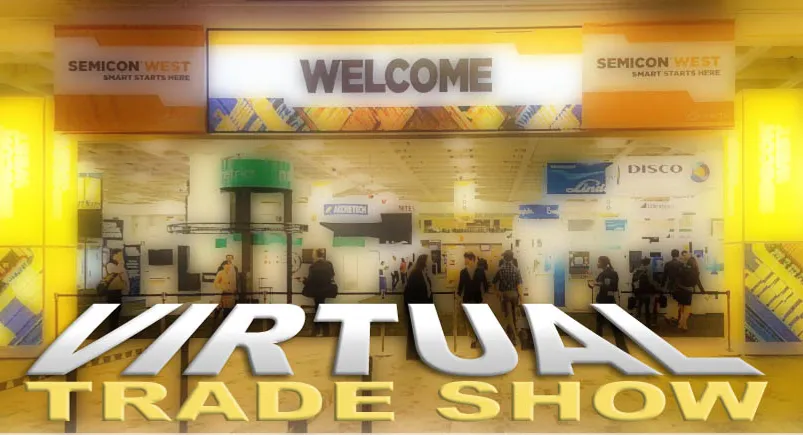
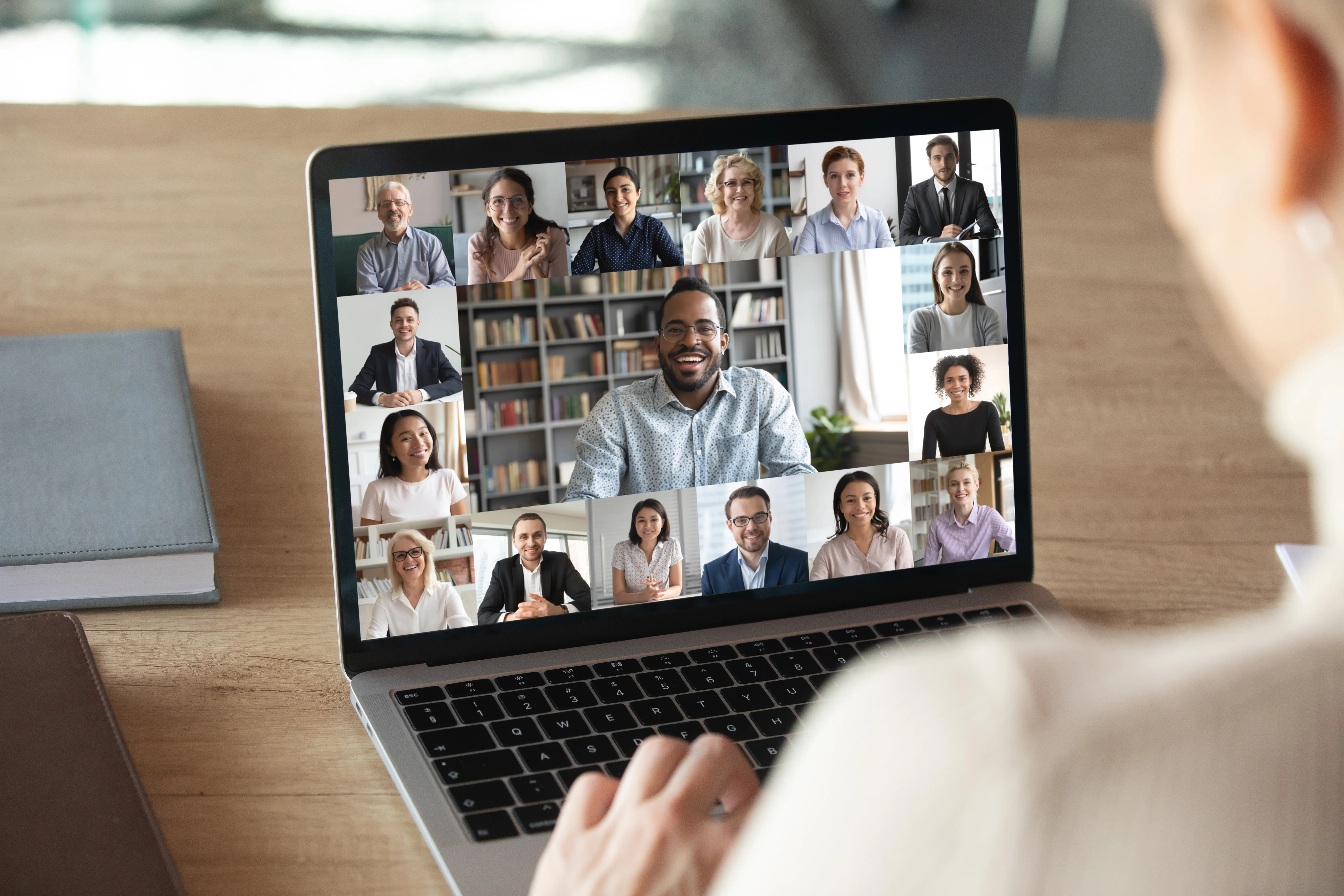
In many ways it feels like we’ve turned back the hands of time. We are staying at home, playing board games with the family. Outdoors, we can view mountains not seen in decades – air pollution has dropped nearly 20 percent. Neighbors we haven’t met are out walking, a lot. Traffic is relatively sparse.We’re staying up late, sometimes even getting up early, for calls with all regions. Some of us have temporarily suspended our use of cleanroom masks – but now wear them everywhere we go outside of the house. And through virtual meetings, I see I’m not the only one who let the beard grow. Who would’ve thought we’d be able to so quickly and completely change our habits?Clearly, the usual distractions that fill most of our lives have given way to a temporary pause. We have time to reflect, and perhaps gain even greater perspective. I hope that’s been a good thing for you.Through virtual meetings, we seem to be getting access to people not typically in our circle of influence – both up and down the organizational ladder. This pleasant surprise seems to be helping to create a valuable acceleration in how the industry community interacts and progresses.As a testament to the strategic importance of our industry, the fabs continue to produce. This is due in great part to the standards, technologies and their resulting applications that enable those operations. Many parts of our industry supply chain became officially designated as essential businesses. Whether or not we stayed home from the office, we’ve continued to work on our roadmaps for growth beyond the current lull.Empowered by 50 years of technology legacy, we are again demonstrating the capability to manage disruption through collaboration. This is the signature of our industry’s highly regarded business culture. Among what we have learned is that this pandemic has made all of us more vulnerable in a variety of ways, and in turn has accelerated our unity as an industry community like never before.This month, as I brainstormed with a set of industry execs during one of countless Zoom meetings, it was clear that when they gather, they want more than a repackaged version of everyone else’s usual messages about this unusual year.While this type of year certainly wasn’t what we had in mind when we began to construct ways to mark this 50th year of SEMICON West, we’ve taken the bull by the horns and begun to blaze a new trail. The consensus within the industry is that SEMI’s constant, measured communication is netting an increased, and growing, level of trust among our collective, global group that may serve as one of the silver linings of this irregular year.As a result, we’ll lay a new road with the first – and possibly not the last – Virtual SEMICON West. For this inaugural digital format, we’ve secured a set of visionaries offering both legendary and evolutionary talents alike to reveal what we can expect during the next few years. It’ll be unlike any other such gathering before, and there’ll be something for everyone.Despite the pause in time we’ve experienced during our isolation of these recent weeks, the timeless value of collaboration marches on. I look forward to joining you at Virtual SEMICON West, July 20-23.Dave Anderson is president of SEMI Americas.
Read More
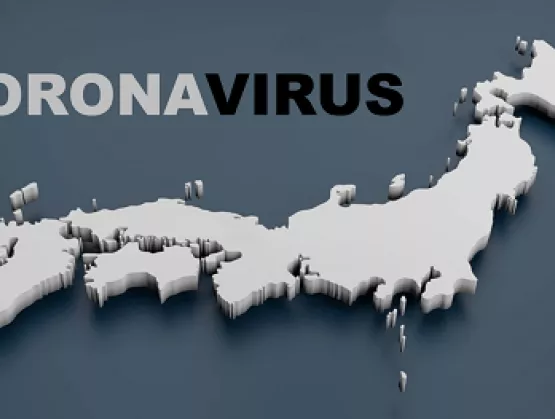
In an important step toward resuming business as usual in Japan, Prime Minister Shinzo Abe on May 14 lifted the state of emergency originally scheduled to expire at the end of May for 39 of Japan’s 47 prefectures, marking “the real beginning of our efforts toward a new normal in the era of the coronavirus” as new cases continue to decline. But with Tokyo, Osaka and six other prefectures still under the state of emergency, Abe urged citizens to remain cautious as the nation and world continue to confront the COVID-19 threat. Among criteria the remaining prefectures must meet for a state of emergency suspension is a reduction in new infections to no more than 0.5 cases weekly for every 100,000 citizens. The eight prefectures account for nearly half of Japan’s population and GDP, with Tokyo and Osaka the two largest urban areas in the island nation. Japan expects to contain its economic losses to 38 trillion yen, 15 percent less than the 45 trillion yen hit originally projected. The Japan government has planned a May 21 progress review[1] in the eight prefectures, a timeline that Abe said could lead to the lifting of the state of emergency before the original cutoff at the end of the month, a move that would help stem the drain on the domestic economy.Strict Immigration Controls Restricts International Travel to and from Japan by Supplier EngineersAs I reported on April 21, the Japan Foreign Ministry on March 31 raised its travel advisory to level 3 for 49 regions around the world including the U.S., prohibiting travel from Japan for any purpose. SEMI Japan is urging government officials to exempt Japanese supply chain engineers from the travel ban to allow visits to semiconductor manufacturing facilities in those regions in order to install, start up and service equipment.Starting May 14, Japan blocked immigration of foreign nationals and permanent residents from 100 countries and regions worldwide, a ban applying to anyone who spent time in their home region within 14 days of their planned arrival in Japan. The areas include China, Singapore, South Korea, and Taiwan in Asia; Canada and the U.S.; and Germany, France, Italy, Netherlands, Switzerland and the U.K. in Europe. For the complete list, see the Japan Ministry of Justice’s website.Japan’s immigration ban mirrors restrictions now in place in many other regions around the world. The immigration controls are well-intended – to restrict the spread of COVID-19 – but hamstring the global microelectronics supply chain. For example, the curbs bar engineers from international travel to install new tools and software in fabs. SEMI Japan has stressed the potential chip industry impacts of the ban in ongoing talks with the Ministry of Economy, Trade and Industry and is facilitating discussions between government representatives and SEMI members to help clear the way for travel by critical supply chain workers to Japan. SEMI Supports Members with COVID-19 ResourcesSEMI international headquarters and regional offices are here to help you, our members. For more information on our webinars, surveys, best practices and other information designed to help you meet the challenges of the pandemic, please visit the SEMI Coronavirus Updates Resources page.[1] The May 21 review found three prefectures in western area – Hyogo, Kyoto and Osaka – met the criteria to lift the state of the emergency. Four other prefectures – Chiba, Hokkaido, Saitama and Tokyo – remain under the emergency order that will be reviewed again as early as May 25.Jim Hamajima is president of SEMI Japan.
Read More
What do you do when much of the U.S. is under lockdown and university students want insights into career opportunities in the microelectronics industry including how to secure jobs?Go virtual.More than 100 students from 30 universities hopped online recently to attend Find Your Future in Microelectronics, the SEMI Foundation’s first webinar. The students learned about the industry’s impact on the future of tech and available career paths and discovered how to take advantage of the Foundation’s university programs. They also submitted their resumes as part of joining SEMI’s student fellow network in hopes of engaging with employers and exploring available job opportunities.And if the students’ questions were a telling sign of their engagement, the event showed that they were fully tuned in. Tim Brosnihan, executive director of the MEMS Sensors Industry Group (MSIG), Erika Hansen, an Applied Materials process engineer, and Cristina Sandoval, the event coordinator and moderator, fielded a whopping 65 questions, many of them about job opportunities, career paths and suggested courses of study. A sample of the questions asked: Q: Is the industry still hiring during these uncertain times?A: Yes! The microelectronics industry is growing and will continue to grow over the next 10 years. There are many job opportunities to be had in the industry and many of our member companies are hiring.Q: What kind of degrees does the microelectronics industry look for?A: Generally, the industry primarily hires graduates with STEM degrees. Chemical, electrical, nano, mechanical, and materials engineering are some of the top majors the industry hires from along with chemistry, physics, and mathematic degrees. That being said, the industry needs talent from all majors. That includes business, finance, human resources and marketing.Q: How can I get connected to the opportunities provided by SEMI?A: You can sign up to connect to our employers and opportunities at semi.huihuidehui.workers.dev/join-edu. Once you submit your information, you will be kept up to date on the latest events and opportunities offered by SEMI and our member companies.Q: Any advice on what to do if your offer has been rescinded?A: Don’t limit yourself when it comes to opportunities. If your offer has been rescinded, don’t give up! Share your situation with your LinkedIn network, an invaluable resource full of contacts that can help you learn about job opportunities. You never know what you will love once you enter the workforce, so keep yourself open and don’t limit the positions or fields that you interview for. Rescinding an offer is always a very difficult decision for an organization, so make sure that you exit the relationship positively. You never know who you will cross paths in the future.Erika delved into the day in the life of an engineer and advised students on ways to find jobs in our industry. Students interacted with Erika, eager to learn how she balanced customer needs with working in the lab. She said she enjoys that duality because it continues to challenge her, allowing her to grow her abilities as a professional.When it comes to breaking into the industry, working in college or through internships and direct-hire opportunities after graduating are good ways to do so. And the students can get their feet in the door with degrees at various levels and across a wide range of disciplines. There is no set formula for success. Learners, she said, will find a place in the industry.With workforce development a key industry initiative, the SEMI Foundation will be rolling out more virtual programs and events to help keep university students and the microelectronics industry connected. Look for details on a virtual job fair we’re planning.We look forward to seeing you online!Shari Liss is executive director of the SEMI Foundation. Shari can be reached at [email protected].
Read More
During the COVID-19 pandemic, the SEMI Global Advocacy team has been working tirelessly to ensure the microelectronics manufacturing and design supply chain is classified as an “essential business” in the United States and for similar designations in several other countries so that SEMI member companies can maintain operations. Their efforts have included direct lobbying and letters to the governors of 16 states in the U.S., 23 European countries and several European Union officials across the continent, as well as government officials in Japan, Mexico and Malaysia. The bedrock of these efforts, and the reason they have been highly effective, is that our industry enables both modern digital infrastructure and technology critical in the fight against the virus.SEMI takes immense pride in highlighting the role of our industry in providing the building blocks for innovations that improve social and economic prosperity the world over. It is never more apparent that necessity is the mother of invention than during a crisis, and the pandemic has created a diverse range of demands for technological advancements to address the myriad of challenges it presents. Our SEMI Tech Spotlight blog series highlights some of the many ways that our industry and member companies are enabling technology employed on the front lines of this fight – and that we strongly believe will ultimately help to win it. Our first piece in this series focuses on platforms enabled by big data and artificial intelligence.Fighting the Pandemic with Big Data-AI Enabled PlatformsThe COVID-19 pandemic is testing humanity in unprecedented ways, but it is also uniting us to fight this crisis with the best weapons we have. Big data and Artificial Intelligence (AI) technologies – built with microelectronic chips and systems that generate, transmit, store and analyze data – are making a profound contribution to our arsenal for this protracted war. Big data-AI technologies are enabling platforms such as data analytics, robotics, augmented/virtual reality (AR/VR), 3D printing, and others that are already being applied to address many facets of this crisis.Big Data and Analytics Inform Policy In the fight against COVID-19, data analytics platforms are being used first and foremost to slow the rapid spread and to inform policy decisions. This requires analysis of massive amounts of data about public health and travel, often using AI algorithms. The state of California, for example, is partnering with companies such as BlueDot, Esri and Facebook to build a software platform that uses smartphones and location intelligence to track people’s movement and predict hospital needs. Taiwan owes its considerable success in limiting the spread of the virus to the extensive use of big data analytics for identifying and tracking carriers. Google and Apple are driving a joint effort that connects Bluetooth with their popular iOS and Android platforms to trace contacts of infected people. India has developed Aarogya Setu, a mobile app based on Bluetooth and location-mapping platforms, designed to alert citizens if they have crossed paths with another app user who has tested positive for the virus. This app was launched in 11 languages, and despite being entirely voluntary, it was downloaded by 50 million people in 13 days, making it the world’s fastest-ever to reach that number. Such contact-tracing apps, now being rolled out in at least 26 countries, carry inherent privacy and security challenges due to the sensitive data they access. While mitigation strategies like strict data anonymity and opt-in protocols are being implemented, these will need to be refined over time.Robotics Protect Frontline SoldiersToday’s robust robotics platforms are enabled by huge amounts of data from sensors and guidance from predictive AI algorithms. These robots can learn on the job, adapt to the environment, and work safely with humans. In this pandemic, they are perfect for minimizing human interaction with infectious environments. Companies around the world such as Boston Dynamics, Akara Robotics, UBTECH Robotics and CloudMinds have already deployed robots on the front lines of this war to assess patient health, disinfect hospital surfaces, and help health workers with Personal Protective Equipment (PPE).Robot drones are also delivering blood and other lab samples. For example, WakeMed hospitals in North Carolina launched the first drone delivery program approved by the U.S. Federal Aviation Administration with Matternet drones operated by UPS; while Terra Drone from Japan executed similar tasks in the hard-hit Wuhan province of China.3D Printing Speeds ManufacturingBig data-AI technologies enable 3D printing platforms by providing accurate 3D models for optimized designs and defect-free manufacturing. Low-cost, fast-cycle-time 3D printing has helped to alleviate at least some of the medical equipment shortages. For example, the U.S. Food and Drug Administration (FDA) has approved the first 3D-printed “Stopgap Face Mask” for liquid barrier protection from the SARS-CoV-2 coronavirus for healthcare workers. The U.S. Veterans Health Administration has developed this in collaboration with America Makes using an open-source database – the 3D Print Exchange from the National Institutes of Health. In another example, Formlabs worked with Northwell Health, New York’s largest healthcare provider, and University of South Florida (USF) Health to develop and test a nasal swab prototype over just one weekend, and it is now producing up to 150,000 test swabs daily. Prisma Health in South Carolina received emergency FDA authorization for VESper, a 3D printed device that allows a single ventilator to support two patients, and possibly up to four.Telehealth Becomes a “New Normal”Telehealth is not a new concept but is much enhanced by today’s microelectronics platforms that can collect and transmit rich datasets with very low latency. Further, rapid data analysis is increasingly supported by AI systems. The requirement for social distancing makes telehealth a perfect solution for many healthcare consultations. U.S. government data indicates that the daily average of telehealth claims from private insurance for upper respiratory infections increased nearly 12 times over the previous month from March 14 to April 1. Similarly, Teladoc Health coordinated 100,000 patient “televisits” in the week of March 8 – a 50 percent spike over the previous week, taking pressure off the healthcare system. The next generation of telehealth is likely to use AR/VR platforms, which use even richer datasets and AI to improve the accuracy and predictive capability of their underlying models. Consequently, these platforms can provide more realistic experiences and improved outcomes. At least 11 states in the U.S. are already working with AR/VR companies such as XRHealth and AppliedVR for primary care and many medical specialties. Accelerating the Search for a Vaccine or TreatmentThe way out of this pandemic depends on swiftly finding a vaccine and a treatment, ideally by fast-tracking the traditionally slow drug development process. Big data-AI technologies are at the forefront of such efforts globally, often using the most powerful supercomputers available. For example, researchers at the University of California, San Diego (UCSD) are using the Frontera supercomputer to build a complete model of the SARS-CoV-2 coronavirus envelope – a formidable task, requiring analysis of data from 200 million atoms and interactions between them. Researchers at Argonne National Laboratory are combining AI with physics-based models to search for a molecule that might disrupt the activity of the virus, a precursor to finding a treatment. Also, several companies around the globe such as BenevolentAI (UK), Gero (Singapore), Innoplexus (Germany-India), and Insilico Medicine (US-Hong Kong) are using AI platforms to accelerate the search for a solution. ConclusionUltimately, the success of technology is not measured by the number of bits and bytes or by the speed of algorithms. It is measured by every janitor who did not have to clean a hazardous surface because a robot did, by every doctor and nurse protected by a 3D-printed mask, and by every person whose life may be saved by the accelerated discovery of a vaccine or treatment. Big data-AI technologies, and the platforms they enable, are just coming of age – they give us hope that as they evolve in the future, we can use them to build a more resilient society and economy.Note/Disclaimer: The examples cited above are purely for illustration – they are neither comprehensive, nor intended to endorse any particular product or solution.The SEMI Smart Data AI initiative helps members realize full value in the intelligent future enabled by Big Data and Artificial Intelligence – including the large revenue upside, and the transformational potential for operational and supply-chain efficiency. For more information on the initiative, contact Pushkar Apte at [email protected] Manocha is President and CEO of SEMI. Pushkar P. Apte, Ph.D., is the Strategic Technology Advisor for the Smart Data AI Initiative at SEMI.

Read More
On April 16, Japan prime minister Shinzo Abe expanded the state of emergency beyond Tokyo, Osaka and five other prefectures to all 47 prefectures nationwide in an effort to curb the spread of COVID-19.As I reported two weeks ago, SEMI Japan initiated communications with all prefectural governments on April 10. Since then, the government’s concerns over the virus’s impact on the semiconductor supply chain have heightened. Prefectural Governments Plan No Restrictions on the Semiconductor Supply ChainOf the 47 prefectural governors I contacted, urging them to classify the semiconductor industry as an essential business, 40 confirmed in follow-up calls through April 20 that they have no plans to restrict operations of the semiconductor industry and supply chain companies in their jurisdictions. Those prefectures include Aichi, Akita, Aomori, Chiba, Ehime, Fukui, Fukuoka, Fukushima, Gifu, Gunma, Hiroshima, Hyogo, Ishikawa, Iwate, Kagawa, Kagoshima, Kanagawa, Kochi, Kumamoto, Kyoto, Miyagi, Miyazaki, Nagano, Nagasaki, Nara, Niigata, Oita, Okayama, Okinawa, Saga, Saitama, Shiga, Shimane, Shizuoka, Tochigi, Tokushima, Toyama, Wakayama, Yamagata and Yamanashi.However, the Aichi, Iwate, Kumamoto, Nagasaki, Oita and Saga governors cautioned they will reconsider restrictions on the semiconductor and other industries if COVID-19 transmissions worsen.The seven other prefectures including Tokyo and Osaka are not planning to respond to our request until they have COVID-19 transmission mitigation plans in place. In the meantime, SEMI Japan will continue to encourage prefectural governments to allow semiconductor supply chain companies to continue to operate unrestricted, a move consistent with current national policy for novel coronavirus disease control.Japan’s Economic Stimulus PackageOn April 6, a day before prime minister Shinzo Abe declared the emergency state for seven prefectures, he announced an unprecedented 108 trillion yen ($989 billion) stimulus package[1]. The package, equivalent to about 20% of the Japan’s economic output, dwarfs the 56 trillion yen in aid passed in the wake of the 2008 financial crisis.The first phase of the relief package seeks to halt job losses and bankruptcies, while the second will support a V-shaped economic recovery. For businesses, phase-one aid includes: Subsidies for firms that keep workers on the payroll. Large companies keeping at least half of their workers on the payroll and small and medium sized businesses that continue to pay at least two-thirds of their employees are eligible for the payouts. One-year deferment of income and regional tax payments for companies hit by the virus Property tax reductions of 50% in fiscal year 2020 for small and medium sized companies with sales that have fallen by at least 30%, and property tax exemptions for those with sales suffering contractions of at least 50%. Interest-free loans requiring no collateral for small and medium sized companies Low-interest loans available to medium sized and large companies through the Development Bank of Japan and Shoko Chukin Bank The second phase of the package, still under development, could include incentives to recharge consumer spending and tourism and subsidies for regional economies once the coronavirus has been contained.Japan COVID-19 Stimulus and Support ResourcesThe economic support measures planned by the Japan Ministry of Economy, Trade and Industry (METI) are summarized at https://www.meti.go.jp/english/covid-19/index.html#10.Prefectural and municipal stimulus and support information is summarized in Japanese at https://j-net21.smrj.go.jp/support/tsdlje00000085bc.html.SEMI Supports Members with COVID-19 ResourcesSEMI international headquarters and regional offices are here to help you, our members. For more information on our webinars, surveys, best practices and other information designed to help you meet the challenges of the pandemic, please visit the SEMI Coronavirus Updates Resources page.[1] The government increased the stimulus package to ¥117.1 trillion after a sudden policy shift to provide cash handouts of ¥100,000 for every individual in Japan. Originally, the plans were to give ¥300,000 to each household that has seen a sharp fall in income due to the virus outbreak.Jim Hamajima is president of SEMI Japan.
Read More
Since the beginning of the COVID-19 outbreak earlier this year, the world has been flocking online – to connect, to share stories, and, for those who can, to continue to work to help keep the wheels of economies turning. With its shift away from in-person events, the SEMI Foundation, too, has found new ways to connect with members and talent. We have started to develop online content for high-school and university students to maintain engagement with these vital pools of future talent. As we build our online presence, we will also explore providing support for reskilling employees, veterans and other target hire groups to help meet microelectronics industry’s talent needs.This strategic shift involves repurposing and transforming existing programs. One key focus area as we evolve our work has been SEMI High Tech U (HTU), a hands-on industry exposure program the SEMI Foundation launched in 2001. The program aims to gather high-school students at member company work sites to learn about the science behind semiconductor technology and various career paths. We are working to offer this career education opportunity online to better connect with students and educators all over the world, regardless of their proximity to a member company. This new guided online journey through the manufacture of a silicon chip will allow users to learn about the science, technology, equipment and companies needed to create this amazing device that is the heart of our digital world.The SEMI Foundation’s open houses catering to university students are also going online. The virtual events will give students a chance to learn about the critical technologies emerging from the microelectronics industry and available career opportunities. They will also be able to submit their resumes for open positions at our member companies.We’re excited as we gear up to launch these online programs in order to expand our reach and impact and to support the critical workforce development needs of our member companies. As we begin to expand our online content, we will be recording our educational webinars and gathering testimonials from corporate leaders and offering both as free resource to members, students and potential hires. These digital resources will help our members share talent development best practices and give students deeper insights into the industry.If you would like to support these initiatives as the SEMI Foundation continues to help the industry attract, develop and retain talent in ways that no single member company can alone, you may do so in a number of ways: Volunteer to review educational content for accuracy and relevance Sign up to be a speaker or panelist at upcoming virtual events Share industry informational videos Highlight industry technologies that are making a difference in the world Showcase how your company is addressing STEM education and workforce development Sponsor an upcoming SEMI Foundation workforce development event To get involved, please contact Shari Liss, executive director of the SEMI Foundation, at [email protected].
Read More
Japan’s Prime Minister Shinzo Abe declared a state of emergency for Tokyo, Osaka and five other prefectures[1] on April 7 in response to a startling increase of COVID-19 infections in the region’s cities in an uneasy moment for its domestic semiconductor industry. The declaration, effective through May 6, authorized the six prefectural governors to strengthen curbs on the spread of the virus and included guidance for citizens to stay home and restrictions on operations of non-essential businesses.With Japan supplying some 40 percent of the world’s chip production equipment and materials, the declaration stirred fears among semiconductor manufacturers that their uninterrupted operations – critical to sustaining the global industry – might be at risk. Japan Government Designates Semiconductor Industry as EssentialIn April 7 and 11 revisions to its Basic Policies for Novel Coronavirus Disease Control, the Japanese government allayed those concerns by designating semiconductor manufacturers essential businesses – a stark acknowledgment of the chipmakers’ vital role in combatting the novel coronavirus. The policy stated:“Among medical and manufacturing industries, we request the continuation of the following business operators in consideration of infection prevention: operators who are difficult to stop production line due to the characteristics of the equipment (such as blast furnaces and semiconductor factories); and operators who produce essentials (including important items in supply chains) for protection of the people who need medical care and support, as well as for maintenance of social infrastructure. We also request the continuation of the business operators who sustain medical care, the lives of the people, and maintenance of the national economy.”[2]SEMI Japan Reaches Out to Prefectures to Urge Essential Business Designation Equipment and materials shortages can halt production of an entire fab line and ripple through intricately connected global supply chains to stifle the production of end devices including the electronics critical to COVID-19 treatments. Electronic devices also play a central role in containing the virus’s spread by enabling artificial intelligence (AI), data analytics, digital communications, telemedicine, robotics, remote health monitoring, telecommuting, online shopping and other digital services.The essential business designation was explicit recognition that Japan’s semiconductor supply chain is integral to the global chip production ecosystem and worthy of the same protections the government has implemented for semiconductor companies. With SEMI members operating in Japan’s 47 prefectures, I sent letters to all prefectural governors three days after the second policy revision, urging them to apply the same designation, and the SEMI Japan team is following up to secure their support.SEMI Japan Encourages Government to Exempt Members from Travel Restrictions The Japan Foreign Ministry on March 31 raised to level 3 its travel advisory for 49 regions including the U.S., China, Taiwan and South Korea, encouraging Japanese citizens to avoid travel regardless of purpose to blunt the international spread of the coronavirus. SEMI Japan is working with the Semiconductor Equipment Association of Japan to urge the government to exempt semiconductor supply chain companies from the level 3 travel restrictions if they implement measures to prevent domestic infections and contagion in the visited regions. The exemptions would allow supply chain companies to install and service equipment at fabs – one key to maintaining smooth, uninterrupted operations.SEMI Supports Members with COVID-19 ResourcesSEMI international headquarters and regional offices are here to help you, our members. For more information on our webinars, surveys, best practices and other information designed to help you meet the challenges of the pandemic, please visit the SEMI Coronavirus Updates Resources page.[1] The six prefectures are Tokyo, Kanagawa, Chiba, Saitama, Osaka, Hyogo and Fukuoka.[2] Provisional translation by Ministry of Health, Labour and Welfare. Full document is available at https://www.mhlw.go.jp/content/10900000/000620733.pdf.Jim Hamajima is president of SEMI Japan.
Read More
SEMI is excited to recognize Amy Leong, Chief Marketing Officer and Senior Vice President, Mergers and Acquisitions at FormFactor, as the SEMI Spotlight on Women Honoree for Q1 2020!Spotlight on SEMI Women celebrates the many accomplished women who work in the global microelectronics industry. Nominees in the quarterly spotlight include women who are beacons of knowledge, leaders of organizations and initiatives, hidden heroes and innovators in our industry. They are volunteers, protectors, intellectual disruptors and activists. Learn how you can nominate a woman for Spotlight on SEMI Women.An accomplished technology executive, Amy Leong has been an invaluable leader and role model at FormFactor for over a decade. During her tenure at Formfactor, Amy has led numerous successful new‐technology adoption and customer‐penetration initiatives that have helped drive FormFactor’s market share and profitability gains. Recently, she assumed oversight of the company’s M A strategy and execution.Amy is on the advisory board of the China International Semiconductor Executive Summit (CISES) and is a committee member for both the Semiconductor Wafer Test Workshop (SWTW) and the SEMI Industry Strategy Symposium (ISS) organizing group. Amy is an accomplished, engaging speaker and has presented at industry conferences and events. As a leader and role model, she shares her experiences and lessons as a successful technology executive, coaching peers and mentoring younger women to help overcome the challenges of building their careers in the semiconductor industry. Recently, Amy broadened these efforts by spearheading the formation of FormFactor’s b3.wn Women’s Network, a group of more than 120 FormFactor employees designed to gather and solidify the community of women at FormFactor.SEMI sat down with Amy to get some insights into her success.SEMI: Tell me about your background?Leong: I was born and raised in Tianjin, China and came to United States with my family when I was 16 years old. I always liked math and science growing up, which led me to pursue an undergraduate degree in chemical engineering at UC Berkeley and then enter the semiconductor industry. My work inspired me and, with the support of my employer, I earned my masters in Material Science and Engineering at Stanford University.SEMI: How did you get into the industry?Leong: At the time of my graduation, I had been considering several career paths and industries that were open to me because of my degree. Several of my peers had already joined the semiconductor industry and told me about the amazing technology they were helping to build. Once I entered the industry, the more I worked, the more fascinated I became with the fast pace of technology and innovation. Every year there were new opportunities to innovate that came with their own exciting challenges and problems to solve. I’ve now been in the industry for 22 years and I still love what I do.SEMI: Tell me about an accomplishment you are proud of?Leong: I have been at FormFactor twice now for cumulatively over 15 years. During my current tenure of about 10 years I have worked under Mike Slessor, our CEO. What I am most proud of is my commitment to professional growth by taking on new challenges. During my time at FormFactor I have jumped on opportunities to help solve challenges in different areas of the organization. Because I pushed myself into these new challenges and experiences, I have become a versatile leader with expertise in multiple areas within the business. I remember I started in product marketing, but when a sales account manager left a need in the business, I stepped in to help the customer and found my hidden talent of customer engagement and relationship building. When we urgently needed a new supplier for product development, I drove the supplier qualification and ramp up, and learned many aspects in operations. Of course without Mike allowing and encouraging me to stretch my skills in different directions, I would not be who I am today.SEMI: Is this strategy how you ended up in the M A space for FormFactor?Leong: My role now happened through a combination of organic and planned career opportunities. M A is a key component of the FormFactor growth strategy. When Mike needed help in the new space, I was able to volunteer, and relied on the knowledge and support of our board members and our executive team in order to meaningfully contribute to our M A strategies and executionMy mentality is to always get out of my own comfort zones. If you try and fail, so what? You learn, and you improve from your setbacks. But unless you try you will never know.SEMI: You have done so much for women in the industry and at FormFactor. What drives you to do this work?Leong: There are two primary driving moments in recent years that pushed me to step up.When Ajit Manocha joined SEMI, he started raising awareness of the importance of female leaders in tackling the industry’s challenges. While I had industry visibility, I wasn’t aware that the number of women in technology shrinks alarmingly the higher up the chain of command you look. My optimistic view is that we have a nearly balanced talent pipeline at the entry-levels, and there is great opportunity for the industry to take action and change the disheartening decline in female representation by mid-career.The second moment was a personal experience. In 2015, Formfactor hired our first woman board of director Kelley Steven-Waiss. (We now have three women board members.) Having Kelley on the board and leaning on her experience when I needed guidance showed me the power of having a mentor and a role model. Having somebody there as a sounding board was extremely helpful, and this triggered me to learn more about women leadership in technology and led me to want to do more for other women who were earlier in their career.SEMI’s influence was one of the major turning points in our industry and created a clarity that was not present by putting data in front of leaders for a powerful impact.SEMI: Tell be about the process of building the network of women at FormFactor?Leong: FormFactor’s women network grew mostly through a grassroots approach. A year ago, during a QBR (Quarterly Business Review) week, I had an opportunity to get together with a group of FormFactor female sales leaders. We had a wonderful evening together, shared our experiences and learned from each other. Our conversation left an impression on us, and we decided to start a women’s networking group at FormFactor so that more women can join the conversation. We named it b3.wn – Beautiful (be confident in ourselves and kind to others) Brilliant (make smart decisions) Bold (be fearless) Women Network. These three B words are the empowering characteristics of modern women to achieve our highest happiness potential at work, home and society. We had a modest goal for the group: Provide an informal venue for employees to engage, support and learn from each other. Little did we anticipate how quickly it would gather steam. Before long, we took the initiative on the road and hosted several events at our California and Oregon sites, featuring themes that ranged from women leadership panel discussion, to FormFactor executive chats on strategies to improve work and life balance and master effective business communications. One year later we now have over 120 members.This year we are going to expand the program into Asia and Germany as well! Global expansion is an exciting step and we are getting strong support from global sites. I think people are seeing the benefits of knowing there are colleagues or friends out there that share the same sets of work life challenges and you can seek support and help from each other.We need to be the change we want to see. I hope more of us can help support women in tech and create a more inclusive work environment at your company.SEMI: What advice would you give to people looking to grow their careers?Leong: Fearlessly step out of your comfort zone. When you are far outside your element, you can discover the new skills and strengths that you didn’t know existed before. It’s a super fun adventure, but you need to expect and embrace the failures that may come along the way, learn from them, and keep going. By continuously pushing the boundaries of our comfort zone, we can expand our horizon beyond what we once thought was possible.Cristina Sandoval is manager of Workforce Development at SEMI.
Read More
The microelectronics industry entered 2020 with high hopes after a mixed 2019 that saw global semiconductor revenue fall 11 percent while innovators continued to drive impressive advances in 5G, IoT, artificial intelligence, quantum computing and other leading-edge technologies. Equipment sales were rebounding as the industry started to regain momentum. And then COVID-19 sent disruptions rippling throughout the global supply chain. Semiconductor manufacturing facilities scaled back operations. Parts shortages became a problem. Logistical challenges emerged. And, all the while, many workers retreated to their homes under lockdown.The virus forced the industry, en masse, to pivot like never before to ride out the pandemic. This is the most challenging situation that I have experienced in my nearly 40-year career. All of us in the microelectronics industry have dedicated ourselves to rise to the occasion and help others. Among our efforts, we are providing resources to support SEMI members and the industry. Today, we can take heart that manufacturing firms in China are restoring normal operations. SEMI hosted a webinar on March 26 where our colleagues at McKinsey Company shared insights on China as it begins its recovery as well as the broader impact of the pandemic on the microelectronics manufacturing and design supply chain. You can read about McKinsey’s insights in a recent SEMI blog.In my closing remarks at last month’s webinar, I asked the industry to donate masks, gloves and additional personal protective equipment (PPE) to support our overwhelmed healthcare systems. The battle against the virus rages on around the globe. These donations will help people, businesses and whole economies to heal and recover.I am proud of how generously the microelectronics industry has donated these supplies that, in ordinary times, contribute to the meticulously controlled environments of our industry’s manufacturing facilities, but today can help save lives and bring the pandemic to heel. I ask companies across the supply chain to please explore how you can contribute to this effort. Donation information is available on our Coronavirus Resources webpage under Medical Needs Supply Matching Sites. It’s great to see SEMI members help combat COVID-19, and we are highlighting some of their efforts in news stories and blogs on our Coronavirus News and Blog webpage. We encourage you to submit your story.We know our members are hungry for more COVID-19 insights to help guide their way as uncertainty persists. SEMI is offering a follow-up webinar with McKinsey Company – The Way Forward from COVID-19 – on Thursday, April 23rd from 7:30am to 8:45am Pacific Time. Then, on Thursday, April 30th from 8:30am to 10:30am Pacific Time, the SEMI Americas team will host the virtual forum Semiconductor Outlook—Navigating through Turbulent Times. Bank of America Merrill Lynch will provide an update on semiconductor stocks, IHS Markit a market outlook, and VLSI Research the latest on COVID-19’s impact on the semiconductor industry. The goal of these events is to help you, our members, make more informed business decisions. We look forward to your participation and ask that you please submit questions so that the events are more meaningful for you.We have also added more resources to our SEMI Responds webpage, which lists best practices for company policies, public communications and telecommuting from our Environment, Health and Safety (EHS) and Information Technology Leadership (ITL) groups. The page now includes member survey insights from our Fab Owners Alliance (FOA) and Electronic Materials Group (EMG) on COVID-19 impacts to those communities, along with steps members are taking to maintain business continuity and ensure that their facilities remain safe. A big thanks to members of these groups for participating and sharing learnings with the industry at large. Sustaining operations across the industry has been the focus of work by the SEMI Global Advocacy team the past few weeks. It has continued to lobby for the microelectronics industry to be classified as an essential business in the United States and for similar designations in other countries. Those efforts included a SEMI Americas request for the government of Mexico to designate the semiconductor manufacturing supply chain an essential business, consistent with U.S. guidelines, to help avoid disruptions to the North American semiconductor industry. SEMI Europe sent 22 letters to officials across the continent, three of them to the European Commission, urging governments to allow continuous operations of the semiconductor industry. SEMI Japan has been closely engaged with the central government and sent letters to many Japanese prefectures stressing the critical importance of continuing operations.I am truly proud of how the SEMI team has stepped up around the globe to proactively communicate and support our members with relevant information and best practices related to the pandemic. The outcome of our letters to governments around the globe to seek essential business status has generally been very positive.SEMI also continues to oppose unilateral U.S. export controls that will compromise the ability of the U.S. to export semiconductor manufacturing equipment and materials, as highlighted in a recent Reuters article.SEMI advocacy efforts epitomize our overarching approach to the pandemic: We remain squarely focused on supporting our members during these turbulent times while continuing to lay the groundwork for the industry’s prosperity. Ajit Manocha is President and CEO of SEMI.
Read More